
Fashion Stylist
Leaving high school at 15, I had no idea what career I wanted to go into. The only class I enjoyed was art, but it never seemed to be fulfilling enough, so I took a risk and followed my education further into fashion and textiles. Beginning this new chapter, I acknowledged my newfound interest in fashion design and styling, and a passion to express myself through the way I decorate and adorn my body with clothing and modifications, and to help other people in doing this also. As I began putting effort into my appearance and experimenting with fashion I realised going into fashion styling would be the most fulfilling and enjoyable career for me, as the feeling of being comfortable and confident in what I wear is a feeling I want to share and bring to other people, whether this is by styling customers or by influencing consumers through styling celebrities, photoshoots or runways.

A
(possibly glamorised) Fashion Stylist Mood board

-
They have to work with various clients and advise them on dynamic styling for visuals.
-
They have to look for sourcing of clothes, fabrics, accessories, makeup and more to facilitate a wardrobe.
-
Coordinate with a team of photographers, makeup artists, hair stylists, and other industry professionals in order to develop attractive looks for clients.
-
Study the market trends and develop new factors and objectives in accordance with it.
-
Bind with magazine publications, retailers, and wholesalers for various events and shows.
-
Travel across the world for finding specific fabrics or props.
-
Purchase and organise necessary props and accessories required according to theme.
-
Keep keen eye on current, developing, and changing regional and global trends in fashion and styling.
-
Adapt to the client’s own interests in color, style, and shape.
-
Coordinate with the shooting team and locations.
-
Facilitate any delivery of a design or product as per deal.
-
Manage the wardrobes and outfits designed for a photo shoot or event.
-
Develop exclusive, creative, and unconventional designs as per customer requirements.
Stylists are professionals who curate outfits for various purposes in the fashion industry. They can work in retail, commercial or high fashion roles, in addition to consulting with private clients, depending on their interests and what opportunities are available to them. The roles and responsibilities of a stylist include:
I still have a lot of room for improvement, as there is a diverse set of skills that are essential for success in the styling industry. Some areas I need to improve include:
-
Trend forecasting, a skill that enables the creation of relevant forward-thinking looks that resonate with future consumer desires.
-
Colour theory, knowledge of colour psychology and harmony, and knowing which colours complement each other and suit different skin tones is a vital skill to create visually pleasing outfits.
-
Fabric knowledge, understanding fabrics properties, textures, and care instructions is vital for selecting appropriate materials when styling.
-
Body shape analysis, being able to assess clients body shapes to recommend flattering silhouettes and styles. This skill ensures personalised wardrobe choices.
-
Wardrobe styling, being able to combine garments, accessories, and footwear to create cohesive and fashionable looks for clients.
-
Social media, both for showcasing my work and using it for inspiration and trend discovery.
-
Client consultation, effective communication and understanding clients' preferences, lifestyle, and needs are essential for successful styling and clientele building.

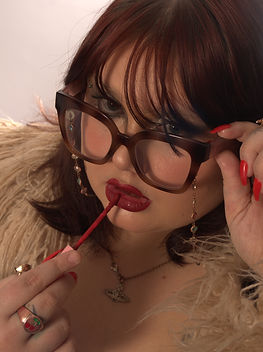
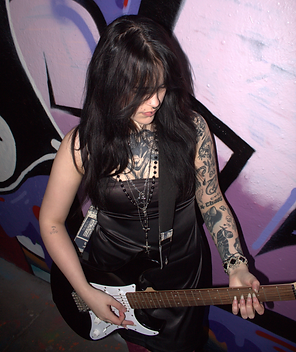
Styling credit: Eden Harvey (Me!)